
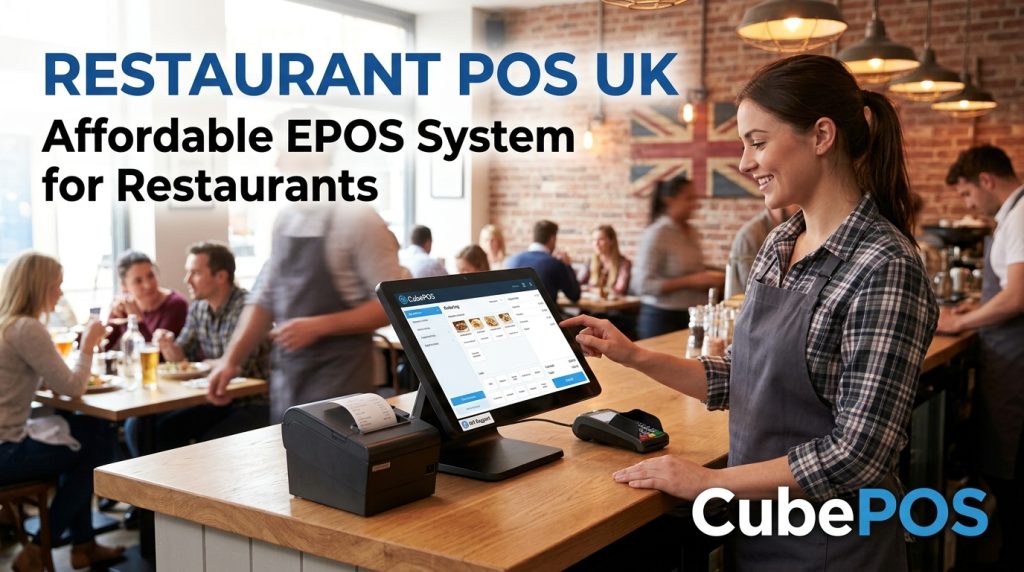
The hospitality landscape in the United Kingdom is undergoing a significant evolution. As we move through 2026, the traditional cash register has been replaced by sophisticated digital ecosystems that manage everything from inventory to employee scheduling. For business owners, from the independent cafes of the West Midlands to the high-end eateries of London, the right technology is no longer a luxury—it is the foundation of a resilient business model.
Tailoring Solutions for Birmingham’s Coffee Culture
Birmingham has firmly established itself as a hub for artisanal coffee and innovative cafe concepts. In such a competitive environment, operational speed is the primary driver of customer satisfaction. During the morning rush, a delay of even sixty seconds can lead to lost revenue and frustrated commuters. Implementing a specialized POS System for Coffee house in Birmingham allows baristas to process complex orders with precision and speed.
These modern systems are designed to handle the specific workflow of a busy cafe, including “parked” orders, digital loyalty integration, and rapid modifier selections for various milk and roast preferences. By streamlining the transaction process, staff can dedicate more time to the craft of the coffee and personal interaction with the community, rather than being bogged down by administrative tasks.
Meeting the Demands of the Modern UK Restaurant
The challenges facing full-service restaurants are distinct from those of quick-service cafes. Managing table layouts, course timings, and kitchen communication requires a centralized hub that can process data in real-time. A robust Restaurant POS system UK acts as the central nervous system of the establishment, bridging the gap between the front-of-house team and the culinary staff.
In today’s market, diners expect a seamless checkout experience. Features such as integrated “pay-at-table” functionality and automated VAT reporting are now standard requirements. Furthermore, these systems provide owners with granular insights into their margins. By analyzing which dishes are most profitable and identifying peak labor hours, managers can make data-driven adjustments that protect the bottom line while maintaining high service standards.
Essential Features for 2026
When selecting a digital partner for your hospitality business, several key factors should be prioritized:
- Cloud Connectivity: Access your sales data and inventory levels from any device, allowing for remote management and peace of mind.
- Intuitive Design: A user-friendly interface reduces training time for new staff and minimizes costly entry errors during busy shifts.
- Scalability: The software should be able to grow alongside your business, whether you are opening a second location or expanding your current menu.
Final Thoughts
The integration of smart technology in the dining sector is about more than just processing payments; it is about reclaiming time and reducing human error. When the technical infrastructure of a business is reliable and intuitive, the team is empowered to focus on providing the exceptional experiences that keep guests coming back. For the modern UK hospitality professional, investing in the right tools is the most effective way to ensure long-term growth and operational excellence.
