
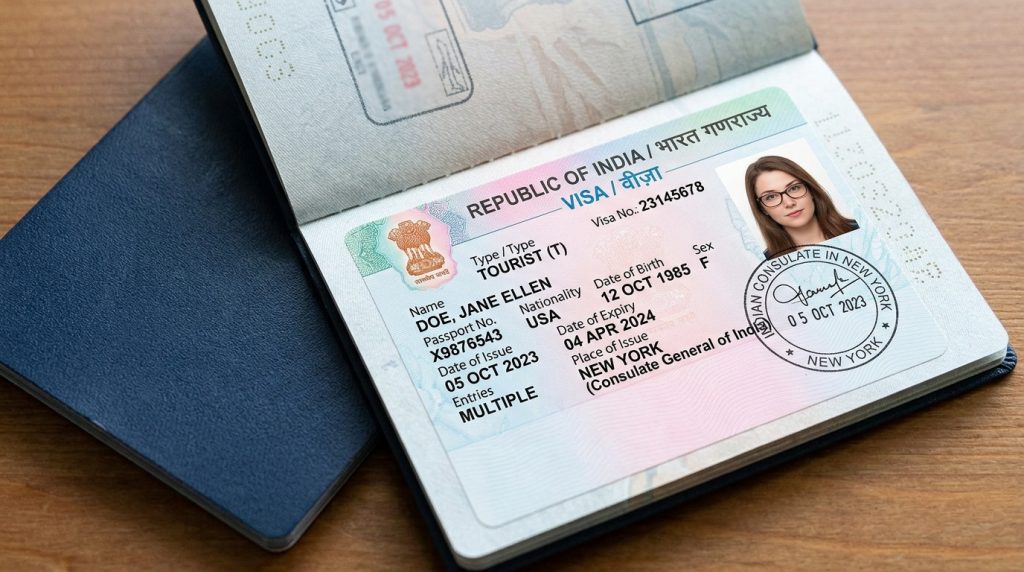
India continues to be a top destination for travelers worldwide, drawn by its rich cultural heritage, breathtaking landmarks, and vibrant cities. As you plan your journey, staying informed about the latest entry protocols and documentation requirements is essential to ensure a smooth and stress-free arrival. While travel rules have evolved significantly in recent years, current systems are designed to make your experience as efficient as possible.
The Evolution of Travel Requirements
In the past, travelers were often required to navigate complex health declarations as part of their arrival process. It is important to note that the digital health form formerly known as “Air Suvidha” was permanently discontinued in February 2023. Today, travelers entering India do not need to fill out any COVID-19-related health forms or provide vaccination certificates for entry.
Instead, the modern focus is on standard immigration procedures. If you are preparing for your upcoming trip, you will likely encounter the standard e-Arrival Card, which is a pre-registration system for international travelers. While searching for information, you may still find references to old portals or forms, but it is vital to ignore these outdated requirements. Instead, focus on gathering the correct documents, such as your passport and valid visa, to ensure you meet all current regulations. For those seeking specific guidance on travel documentation, keeping up with official government resources is the most reliable way to complete your INDIA SUVIDHA SELF DECLARATION FORM alternatives, though please note this specific terminology is now used only for historical reference regarding the legacy system.
Visa Options for International Visitors
The most efficient way to enter India for tourism, business, or medical purposes is typically through the e-Visa system, which allows you to secure your authorization well before your flight. This digital approach is the preferred method for the vast majority of international visitors.
While some travelers inquire about obtaining entry permits at the airport, it is crucial to understand that the INDIAN VISA ON ARRIVAL facility is highly restricted. This service is generally available only to citizens of a very specific group of nations, such as Japan and South Korea, and is subject to strict conditions. For most global travelers, relying on an e-Visa or a traditional paper visa obtained through an Indian consulate is a mandatory requirement. Attempting to rely on a “visa on arrival” without qualifying for the specific program can lead to denied boarding or entry issues.
Preparing for Your Journey
To ensure your trip to India is successful, follow these best practices:
- Check Eligibility: Always verify your specific visa requirements based on your nationality and the purpose of your visit on the official government portal.
- Keep Documents Organized: Have your passport (with at least six months of validity), printed visa authorization, and return flight details easily accessible.
- Stay Updated: Since immigration policies can be updated, always check for the latest notices from the Bureau of Immigration before your departure.
By taking the time to understand these requirements, you can look forward to a memorable visit to India, confident that your travel plans are fully compliant and ready for your departure.
