
Time dictates every aspect of our lives, yet our relationship with it is often surprisingly casual. We easily track big milestones by the year, but the smaller units of time that accumulate between those milestones usually fade into the background. While almost anyone can instantly tell you their age in years, very few can tell you exactly how many months, weeks, or total days they have been alive.
In a world governed by digital efficiency and precise data, rough estimations are no longer enough. Whether you are navigating professional requirements, handling official paperwork, or tracking personal development, knowing the exact duration of a time block is incredibly valuable.
Why Calendar Math Frequently Trips Us Up
On paper, calculating the time passed between two specific dates seems like basic arithmetic. You take a start date, subtract it from the current date, and look at the difference. However, our calendar system is highly irregular, which makes manual tracking deceptively difficult and prone to errors.
Our time-keeping system includes several unexpected variables:
- The Leap Year Shift: Every four years, February gains an extra day. Over several decades of life, these extra days quietly compound, meaning a simple multiplication of your age by 365 days will always give you an incorrect total.
- Inconsistent Month Lengths: Because months alternate unpredictably between 28, 29, 30, and 31 days, manually calculating specific date intervals requires tedious, step-by-step counting.
- Global Formatting Confusion: Different regions interpret dates differently (such as switching the day and month placement), which can lead to calculation errors when analyzing historical or official records.
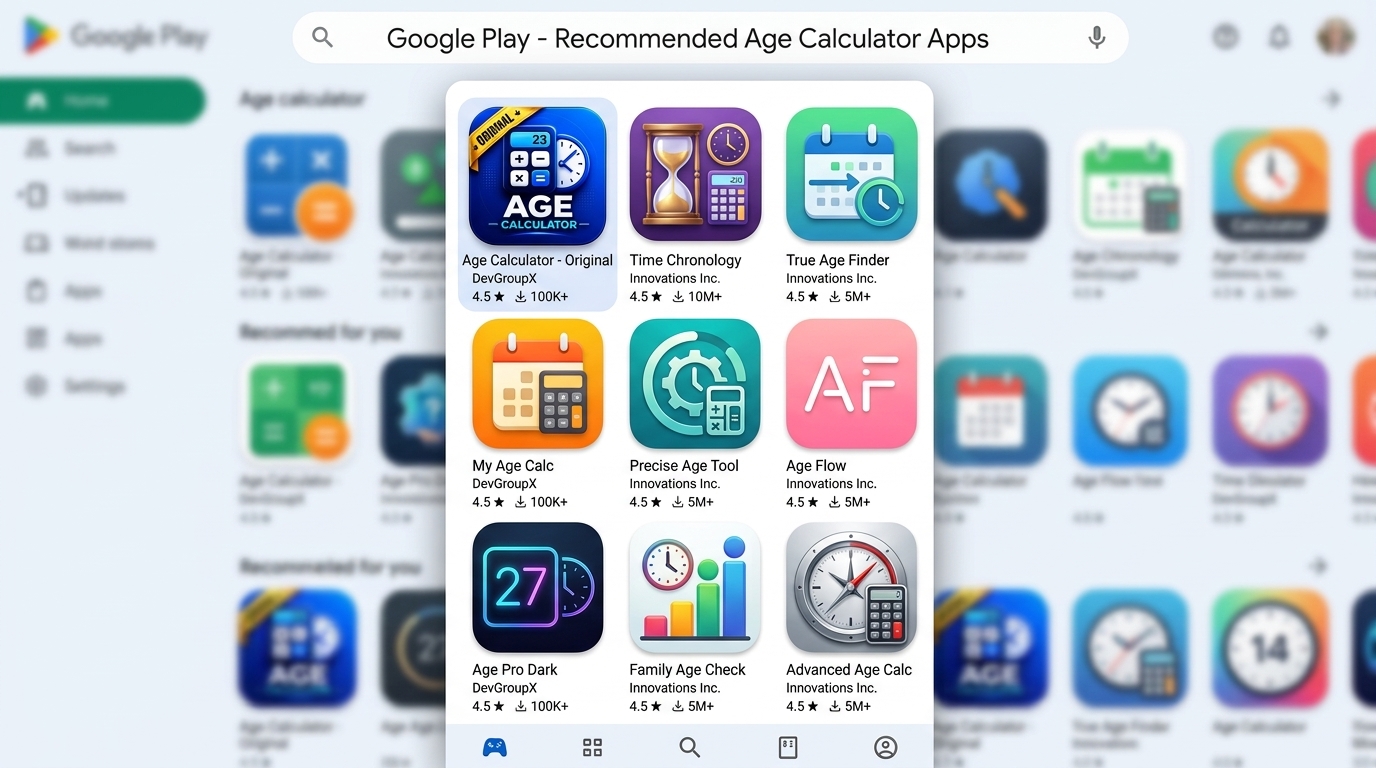
To eliminate the headaches of manual counting and guarantee absolute precision, an online or mobile Age calculator provides an instant, flawless breakdown of time in a single tap.
Real-World Scenarios Where Precision Matters
An automated chronological tool is far more than just a novelty to check before your next birthday party. It serves a variety of essential, real-world functions across daily life, health, and professional industries.
1. Pediatric Healthcare and Growth Tracking
For parents of infants and toddlers, tracking age in years is practically useless. Early childhood development, medication dosages, and immunization schedules are strictly measured in weeks and months. Having a reliable tool to verify a child’s exact age ensures that critical developmental milestones and doctor visits happen at precisely the right time.
2. Legal and Administrative Documentation
When filling out official paperwork—such as visa applications, insurance policies, background checks, or retirement funds—providing approximate timelines can be a major liability. Government agencies require exact chronological alignment, and a minor mathematical error on your forms can cause long processing delays or immediate rejections.
3. Fitness Milestones and Health Analytics
Many biological metrics, including target heart rate zones and metabolic rates, shift as our bodies age. Fitness enthusiasts who follow highly structured 30, 60, or 90-day training programs rely on exact date intervals to accurately measure physical performance and body composition changes over time.
The Benefits of Digital Efficiency
The ultimate goal of modern technology is to simplify our daily routines by automating repetitive, error-prone tasks. Spending time scratching numbers on a notepad or flipping backward through a physical calendar is a waste of mental energy.
By offloading chronological math to a streamlined, secure mobile application, you ensure that your records are completely accurate, your forms remain error-free, and you gain a deeper appreciation for the exact milestones that shape your life journey.
