
In the digital age, the market for novelty identification has moved far beyond simple printed cards. Today, it is a complex industry defined by advanced security features, high-fidelity materials, and a global network of producers. However, for enthusiasts and collectors, the primary challenge remains the same: distinguishing legitimate quality from deceptive scams. In an industry where traditional consumer protections are absent, the community has stepped in to provide the necessary oversight.
The Importance of Verified Feedback
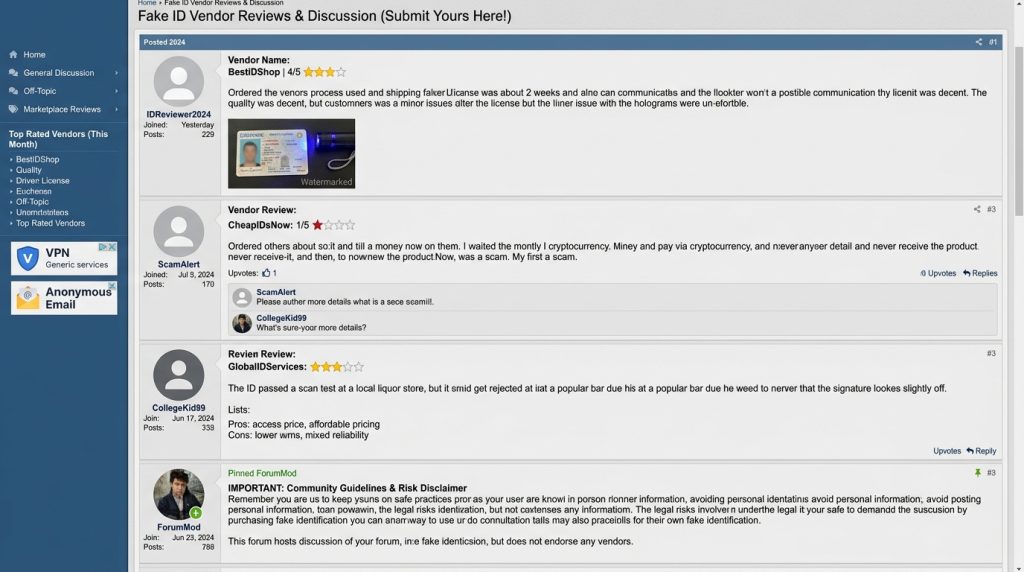
When navigating this niche market, individual research can only go so far. A vendor’s website may boast about “AAA quality,” but without peer verification, those claims are often hollow. This is why experienced users rely heavily on decentralized communities to identify fake id forum trusted vendors. These lists are not static; they are constantly updated based on real-time successful deliveries, card quality checks, and customer service responsiveness.
By following community-vetted sources, users can avoid the most common pitfalls, such as:
- Phishing Sites: Fake storefronts designed solely to steal personal information.
- Poor Print Quality: Cards that lack the correct tactile feel or have misaligned holograms.
- Logistical Failures: Vendors who take payment but fail to provide tracking numbers or use inadequate packaging.
Analyzing Quality Through User Experience
The technical requirements for a convincing novelty ID have become increasingly stringent. Modern cards often require polycarbonate construction, 2D barcode encoding that matches the front-facing data, and complex UV (ultraviolet) overlays. Finding a detailed vendor review fake id is the most effective way to see how a specific producer handles these technical hurdles.
Expert reviewers often subject these cards to “torture tests,” checking if the layers delaminate under heat or if the microprinting remains legible under high magnification. These reviews serve as a blueprint for what to expect, allowing potential buyers to see high-resolution photos of the product before committing any funds. This transparency forces vendors to maintain high standards, as a single wave of negative feedback can quickly dismantle a producer’s reputation within the community.
Navigating Market Risks and Trends
The industry is subject to frequent shifts. New security features are introduced by government agencies regularly, and vendors must adapt their printing processes to stay relevant. Community forums act as a real-time news desk for these changes. Discussions often revolve around which states have updated their designs and which vendors have been the first to successfully replicate the new “ghost images” or laser-engraved features.
Beyond the product itself, these forums are instrumental in teaching users about digital safety. From the use of encrypted messaging apps to the nuances of paying with cryptocurrency, the community fosters an environment of mutual protection. This collective intelligence is what allows the market to function, creating a self-regulating ecosystem where reliability is rewarded and dishonesty is swiftly exposed.
Final Thoughts on Market Due Diligence
Success in acquiring a high-quality novelty item is directly proportional to the amount of research conducted beforehand. By leaning on the experiences of those who have already tested the waters, you can navigate the complexities of the industry with confidence. In a shadow market, information is the most valuable currency, and staying connected to the community is the best way to ensure a positive and secure experience.
