
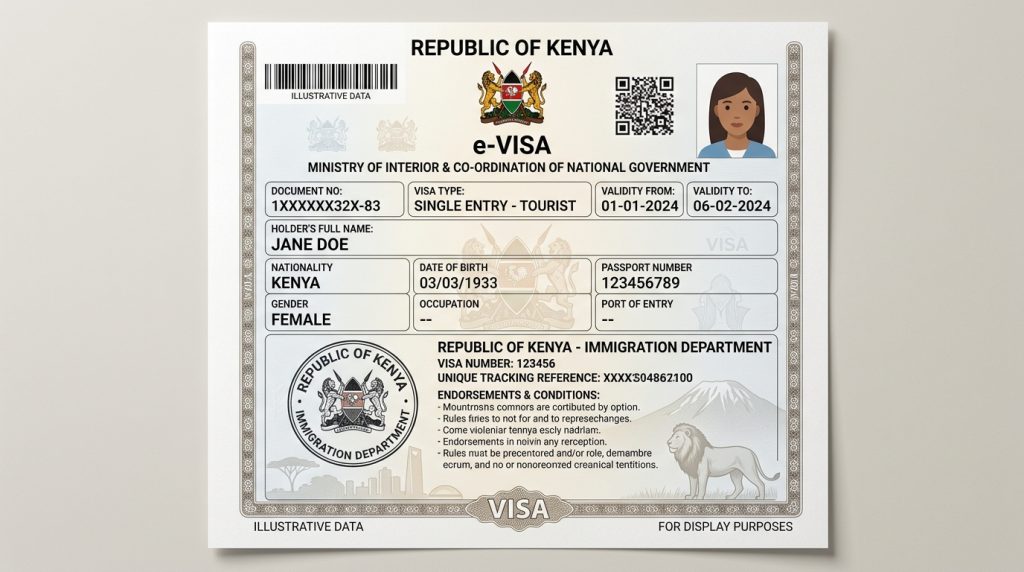
East Africa is a region defined by its breathtaking natural beauty, ranging from the volcanic peaks of Rwanda to the sweeping plains of Kenya and the lush forests of Uganda. For travelers seeking a comprehensive wildlife or cultural experience, the ability to move seamlessly across borders is a game-changer. However, successful travel requires careful coordination of your legal and health requirements well in advance of your departure.
Simplifying Regional Travel
For those looking to explore the diversity of the region without the burden of multiple individual visa applications, the unified entry system is an invaluable asset. If you are planning an itinerary that includes multiple stops within these partner states, it is essential to understand the OVERVIEW OF EAST AFRICAN TOURIST VISA EATV before you finalize your flight bookings.
This single visa allows for 90 days of multiple-entry travel within Kenya, Rwanda, and Uganda. It is specifically designed to eliminate the logistical frustration of traditional cross-border documentation. By opting for this integrated approach, you gain the freedom to experience a gorilla trek in the Ugandan mountains, a safari in the Kenyan Maasai Mara, and a cultural tour in Rwanda on a single permit. Remember that your trip must begin in the country through which you first applied for the visa, so planning your primary point of entry is the first step in your strategy.
Prioritizing Your Well-being Abroad
A fantastic travel experience is built on a foundation of health and safety. The unique climate and environment of East Africa necessitate a proactive approach to your personal well-being. Whether you are trekking through tropical zones or relaxing in coastal areas, being informed about your health requirements is as critical as securing your travel permits.
It is highly recommended that you review the latest VACCINE AND HEALTH ADVICE FOR TRAVEL TO KENYA and the wider region at least six to eight weeks before your trip. This window provides enough time to receive any necessary immunizations, such as the yellow fever vaccine, which is often a mandatory entry requirement if you are arriving from, or passing through, regions with risk of transmission. Beyond mandatory vaccinations, consider boosters for routine illnesses like hepatitis and typhoid, especially if you plan to visit rural areas or engage in off-the-beaten-path adventures.
Proactive Health Strategies
Beyond vaccinations, your health strategy should include practical, day-to-day precautions. Malaria remains a consideration in many parts of East Africa, particularly in low-lying or humid areas. While Nairobi and higher-altitude regions generally pose a lower risk, it is vital to consult with a medical professional about anti-malarial prophylactics tailored to your specific itinerary.
Key habits to adopt during your journey include:
- Insect Bite Avoidance: Use high-quality insect repellent containing DEET, wear long-sleeved clothing during dawn and dusk, and utilize bed nets whenever possible.
- Water and Food Safety: Stick to bottled or treated water and prioritize cooked, hot meals to reduce the risk of common travel-related gastrointestinal issues.
- Medical Kit Preparation: Carry a basic, high-quality first-aid kit that includes sterile supplies, as access to medical facilities can be limited in remote safari destinations.
- Professional Consultation: Schedule a visit with a travel health clinic to discuss your medical history and specific activities—such as mountain climbing or cave exploration—which may require specialized health precautions.
Coordinating Your Departure
The synchronization of your visa and health preparations is the hallmark of an experienced traveler. By securing your EATV and ensuring your medical records and vaccinations are in order, you transform what could be a stressful logistical process into a smooth, rewarding transition into your adventure.
As you look forward to the vast landscapes and unique wildlife of East Africa, keep in mind that these requirements are in place to ensure both the safety of the visitors and the protection of the local ecosystems and communities. Taking the time to handle these details professionally means that once you land, your only concern will be which part of this magnificent region to explore first. With your documents approved and your health preparations complete, you are set to make the most of your journey through one of the most vibrant corners of the globe.
