
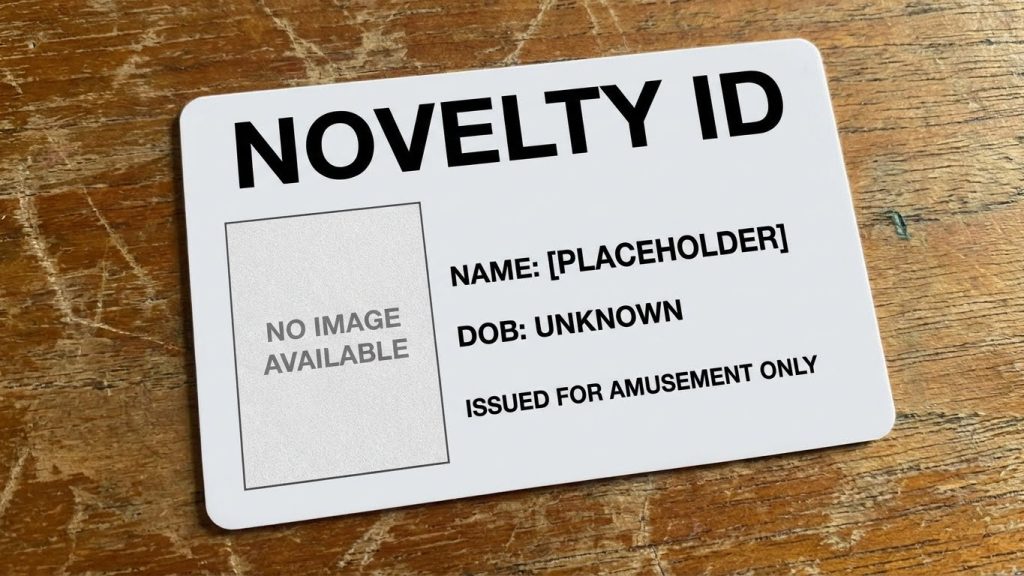
As digital systems continue to transform how identity is verified and managed, discussions around identification have become more complex and widespread. One topic that frequently appears in online forums and educational spaces is Novelty ID. When approached responsibly, novelty IDs serve as learning tools that support awareness, education, and compliance in an increasingly digital world.
This article focuses on the educational relevance of novelty ID, its place in digital identity conversations, and why clarity and responsibility are essential when discussing identification-related topics online.
Digital Identity and the Need for Education
Modern identity verification goes far beyond physical documents. Digital onboarding, online authentication, and data-driven verification systems rely on accuracy, compliance, and trust. As these systems grow, so does the need for education around how identification works and why authenticity matters.
Novelty ID discussions often arise in this educational context. Rather than being used as real credentials, these items are referenced to highlight what does not meet verification standards, helping users understand the difference between official identification and non-functional representations.
What Novelty ID Represents in Educational Discussions
A Novelty ID is generally understood as a non-official item created for display, demonstration, or conceptual learning. It does not carry legal authority and cannot be used for verification, access, or identification purposes.
In educational discussions, novelty IDs help explain:
- The structure of real identification systems
- The importance of verification features
- Common indicators of non-authentic documents
- Why compliance standards exist
By examining non-functional examples, learners gain insight into how legitimate identity systems protect individuals and institutions.
Online Awareness and Community Learning
Online communities and forums play a major role in shaping how people understand identity-related topics. When discussions are moderated and educational in nature, they contribute positively to public awareness.
Responsible forums focus on:
- Legal boundaries surrounding identification
- Ethical use of information
- Awareness of identity misuse risks
- Clear separation between education and promotion
By maintaining strict guidelines, online platforms ensure that novelty ID discussions remain informative rather than misleading.
Identity Verification and Security Awareness
One of the key benefits of discussing novelty ID in an educational context is increased awareness of identity verification processes. Businesses, institutions, and individuals all benefit from understanding how verification works and what to look for when assessing documents.
Educational content often highlights:
- Visual security indicators
- Verification workflows
- Digital and physical authentication methods
- The consequences of relying on unofficial documents
This awareness helps reduce fraud, improves compliance, and strengthens trust across digital ecosystems.
Ethical Responsibility in Content Creation
Content creators have a responsibility to present sensitive topics with clarity and care. Articles discussing novelty ID should always emphasize that these items have no official standing and are not substitutes for legitimate identification.
Ethical content creation includes:
- Clear disclaimers
- Informational intent
- Avoidance of instructional language
- Focus on compliance and awareness
This approach aligns with search engine guidelines and protects both readers and publishers.
SEO Value of Educational Identity Content
From an SEO perspective, search engines prioritize high-quality informational content that demonstrates expertise, neutrality, and trustworthiness. Articles centered on novelty ID perform best when they:
- Address educational intent
- Use natural keyword placement
- Avoid promotional or misleading claims
- Provide structured, readable information
By focusing on awareness and compliance, such content remains indexable and relevant over time.
Novelty ID and Legal Awareness
Another important angle in novelty ID discussions is legal awareness. Laws governing identification documents vary by jurisdiction, but misuse of any ID-like item can lead to serious consequences.
Educational articles help readers understand:
- Why only authorized bodies can issue IDs
- The risks of misrepresentation
- Legal definitions of identification misuse
- The importance of following local regulations
This information supports responsible behavior and informed decision-making.
Building Trust Through Transparent Information
Transparency is essential when discussing sensitive topics. Clearly defining terms, outlining limitations, and reinforcing ethical standards builds trust with readers and search engines alike.
Trust-focused content emphasizes:
- Accuracy
- Neutral language
- Educational purpose
- Compliance-first messaging
This approach ensures long-term credibility and audience engagement.
The Future of Identity Education
As identity systems continue to evolve, educational discussions around identification will remain important. Novelty ID, when framed correctly, will continue to serve as a reference point for understanding what authentic identification is—and what it is not.
Future-focused education will likely emphasize:
- Digital identity literacy
- Fraud prevention awareness
- Secure verification practices
- Responsible online discussion
These topics help prepare individuals and organizations for a more secure digital future.
Conclusion
Novelty ID holds value when discussed responsibly as part of digital identity education and public awareness. By focusing on compliance, ethics, and learning, content creators and online communities can contribute positively to understanding identity systems without crossing legal or ethical boundaries.
Educational, professional, and transparent content not only benefits readers but also supports long-term search visibility and trust.
