
Planning an international trip is an exciting experience, but figuring out foreign entry requirements can often feel overwhelming. As governments shift away from physical passport stickers and consulate visits, digital travel authorizations have become the modern standard for international visitors. Understanding how different visa types work—and knowing how to troubleshoot potential hurdles along the way—ensures a seamless journey from booking to landing.
Evaluating Travel Permits: Pre-Departure vs. On-Arrival
When preparing for an overseas trip, travelers frequently encounter terms like “e-Visa,” “Visa on Arrival,” and traditional physical visas. While all of these grant legal permission to enter a destination, their timelines, requirements, and risk levels differ significantly.
An electronic visa (e-Visa) is applied for online and approved prior to your departure date. Once granted, it links directly to your passport in border control systems. Conversely, a Visa on Arrival (VOA) requires filling out forms, submitting documents, and paying entry fees at the destination airport upon landing.
When comparing VISA VS EVISA AND VISA ON ARRIVAL, the primary distinction lies in certainty and convenience. Securing an e-Visa before departing offers complete peace of mind, shorter immigration lines, and guaranteed entry approval ahead of time. Relying on a arrival-based permit can carry unpredictable wait times in busy airport terminals or unexpected rejections if documentation is missing.
Key comparisons include:
- Approval Timing: e-Visas are granted before you fly, whereas VOAs are issued at the border checkpoint.
- Airport Experience: Pre-approved e-Visas let you skip long application queues upon arrival.
- Payment Flexibility: Online visa fees are paid securely via credit card, while border offices may require exact cash in local currency.
Overcoming Hurdles During Submission
While online portals have simplified global travel, technical glitches and administrative errors can still pop up during submission. System timeouts, rejected file uploads, and payment processing errors are common difficulties that applicants face.
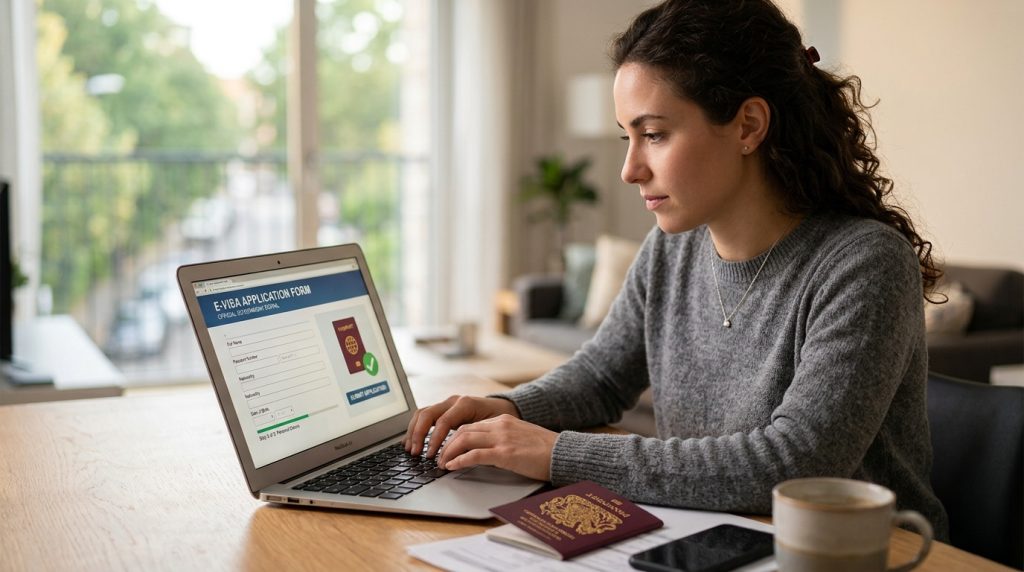
If you encounter unexpected errors, taking steps to troubleshoot the EVISA APPLICATION PROCESS will keep your application on schedule. Technical issues often stem from web browser cache conflicts, oversized document uploads, or strict security filters on international credit card transactions.
To minimize application errors, ensure your digital photograph meets precise lighting and size dimensions before uploading. Additionally, clearing your browser cache or switching to an updated browser helps bypass portal glitches.
Essential Checklist for Stress-Free Travel
To ensure your international travel preparations remain completely hassle-free, keep these four golden rules in mind:
- Verify Passport Expiry: Ensure your passport remains valid for at least six months past your intended departure date.
- Double-Check Personal Information: Ensure your full name, passport number, and date of birth match your physical passport exactly.
- Submit Well in Advance: Apply at least two to three weeks before departure to account for potential processing delays.
- Carry Paper Backups: Always keep a printed copy of your digital visa approval letter in your carry-on luggage for offline verification at check-in counters.
Final Thoughts
Modern digital immigration systems have made traveling the world easier and more efficient than ever. By understanding your destination’s entry requirements, securing your approvals prior to departure, and addressing technical hiccups promptly, you can travel abroad with total peace of mind.
