

A plain-English guide to Trutakna (atacicept), the July 7, 2026 FDA approval for IgA nephropathy
Abstract
On July 7, 2026, the FDA granted accelerated approval to Trutakna (atacicept-vymj), the first peptide therapy approved to block both BAFF and APRIL, two immune signaling proteins that drive IgA nephropathy, a slow-progressing autoimmune kidney disease and the most common form of primary glomerulonephritis worldwide.
Built by Vera Therapeutics as a TACI-Fc fusion protein, Trutakna is self-injected weekly and works by intercepting the signals that push B cells to produce the defective antibody behind kidney damage. In the ORIGIN 3 trial, it cut proteinuria by 46% from baseline and 42% more than placebo at 36 weeks; though approval currently rests on this surrogate marker, not confirmed long-term kidney protection, with that data due later in 2026. This guide breaks down the disease biology, how Trutakna works mechanistically, its safety profile, how it stacks up against five other approved IgAN drugs, the company behind it, and answers to the questions patients ask most.
Key Takeaways: Trutakna and the New Era of IgA Nephropathy Treatment
The disease
- IgA nephropathy (Berger’s disease) is the most common primary glomerulonephritis worldwide, often silent for years while it slowly scars the kidneys’ filtering units.
- It’s driven by a defective antibody (galactose-deficient IgA1) that clumps up and deposits in the kidneys, triggering inflammation.
The drug
- Trutakna (atacicept-vymj) got FDA accelerated approval on July 7, 2026, the first and only US-approved therapy that blocks both BAFF and APRIL, the two cytokines that push B cells to make the harmful antibody.
- It’s a recombinant TACI-Fc fusion protein, given as a 150 mg self-injected shot once a week via autoinjector.
The evidence
- In the ORIGIN 3 trial, patients saw a 46% drop in proteinuria from baseline, and 42% greater reduction than placebo at week 36 (statistically significant).
- Approval is based on proteinuria as a surrogate marker, it’s not yet proven to slow long-term kidney function decline. That confirmatory eGFR data is expected Q3 2026, with a full-approval decision to follow.
Safety
- Main risk is infection (32% vs 28% on placebo) since the drug suppresses part of the immune system; injection-site reactions were also more common (30% vs 5%).
The bigger picture
Made by Vera Therapeutics (Nasdaq: VERA), a ~$3B biotech founded in 2016 by Dr. Marshall Fordyce, headquartered in Brisbane, CA.
Trutakna joins five other approved IgAN drugs (Tarpeyo, Filspari, Fabhalta, Vanrafia, Voyxact) but is the only dual BAFF/APRIL blocker, a genuinely different mechanism, not just a new brand.
What We Are Talking about and Why This Matters Now?
On July 7, 2026, the U.S. Food and Drug Administration approved a new medicine called Trutakna (atacicept-vymj) for adults living with primary IgA nephropathy. If you have never heard of this disease, you are not alone. IgA nephropathy is a quiet condition. It often causes no symptoms for years while it slowly damages the kidneys from the inside. By the time many people notice something is wrong, real harm has already been done.
This disease is complicated because it starts in the immune system, not in the kidney itself. Faulty antibodies build up in tiny filtering units inside the kidneys called glomeruli. Over time, this buildup causes inflammation, scarring, and a slow loss of kidney function. Some people live with mild symptoms for decades. Others progress to kidney failure and need dialysis or a transplant. Doctors have struggled for years to predict who will get worse and how fast.
IgA nephropathy is considered the most common form of primary glomerulonephritis (kidney inflammation that starts inside the glomeruli) in the world. Studies estimate that Western countries see roughly two to three cases per 100,000 people each year, while parts of East Asia see rates as high as ten to twenty cases per 100,000.
A meaningful share of people with this disease eventually reach kidney failure within ten to twenty years of diagnosis, which is a heavy burden on families and healthcare systems worldwide. Because the disease often stays hidden early on, many patients are diagnosed only after protein or blood shows up in a routine urine test, or after kidney function has already started slipping.
This is exactly why the approval of Trutakna matters. It is not simply one more pill added to a pharmacy shelf. It is the first medicine approved in the United States that blocks two immune signaling proteins at the same time, called BAFF and APRIL, which sit near the very beginning of how this disease develops.
Instead of only treating the downstream damage, Trutakna aims further upstream, at the immune signals believed to trigger the disease in the first place. If ongoing trial data continues to hold up, this approach could change how doctors around the world manage IgA nephropathy, and it may open the door for similar dual-target therapies in other autoimmune kidney diseases.
In this guide, we will walk through what IgA nephropathy actually is, break down the science behind Trutakna in everyday language, explain how the peptide works inside the body, look at the company that built it, and answer the most common questions patients and caregivers are asking right now.
What Is IgA Nephropathy?
IgA nephropathy, also known as Berger’s disease, is a kidney condition named after the French doctors who first described it in the late 1960s. It happens when a protein called Immunoglobulin A, or IgA, collects inside the kidneys instead of doing its normal job.
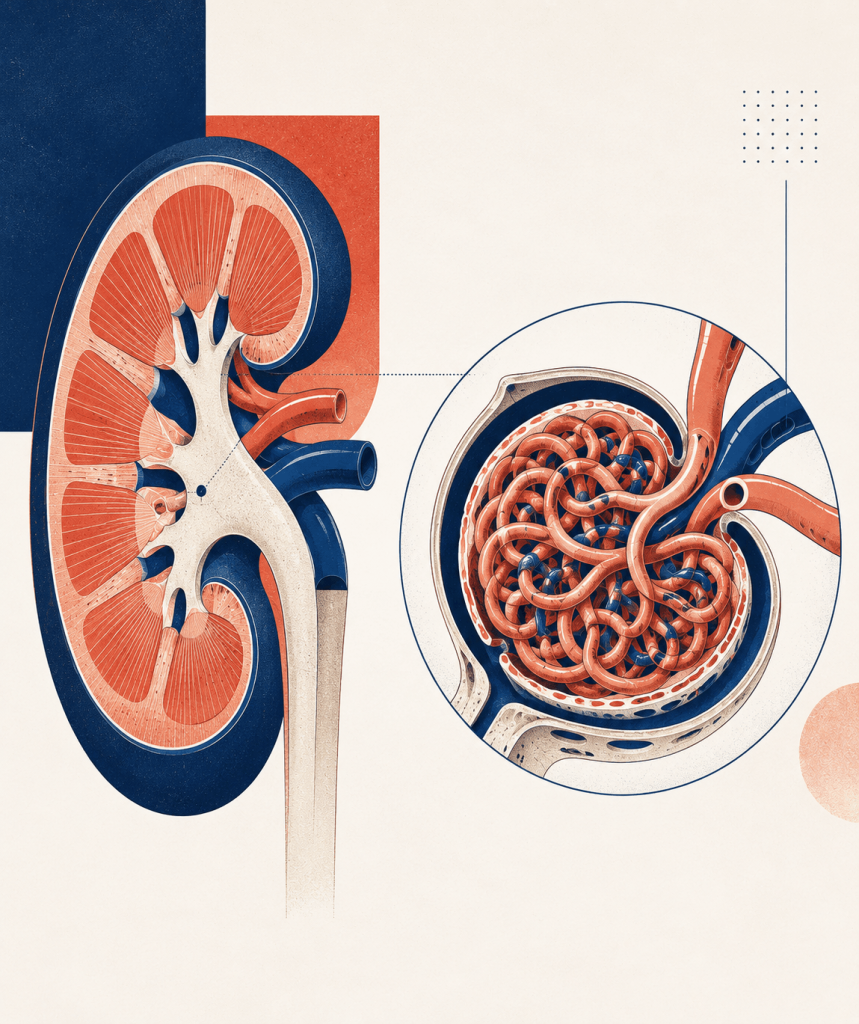
Under a microscope, doctors can see clumps of IgA sitting inside the glomeruli, the tiny blood-vessel clusters that filter waste out of the blood. This buildup triggers inflammation. Over months and years, that inflammation can scar the filtering units and slowly reduce how well the kidneys work.
The tricky part about this disease is its pace. It usually moves slowly, which means many people feel completely fine for a long time. Some people never develop serious problems. Others lose kidney function steadily until they eventually need dialysis or a kidney transplant. There is currently no cure, which is part of why a new treatment option is such welcome news for patients and their doctors.
IgA Nephropathy (Berger Disease): Symptoms and Causes
Because IgA nephropathy often stays silent early on, it is sometimes discovered by accident, during a routine urine or blood test done for an unrelated reason. When symptoms do appear, they commonly include:
- Cola- or tea-colored urine, caused by blood, often noticed after a cold, sore throat, or other respiratory infection
- Visible blood in the urine
- Foamy urine, caused by protein leaking out (called proteinuria)
- Pain on one or both sides of the lower back
- Swelling in the hands, feet, or face (called edema)
- High blood pressure
- Fatigue and general weakness
If the disease advances toward kidney failure, more serious symptoms can appear, including itchy skin, muscle cramps, nausea, loss of appetite, and a metallic taste in the mouth.
Doctors do not fully understand why IgA builds up in some people’s kidneys and not others, but several factors seem to raise the risk. Genetics play a role, since the condition runs in some families and is more common in certain ethnic groups, especially people of East Asian and, to a lesser degree, European descent. Liver conditions such as cirrhosis and chronic hepatitis B or C infections have also been linked to IgA nephropathy. Celiac disease, an immune reaction to gluten, is another associated condition. Certain infections, including HIV and some bacterial infections, may also play a triggering role.
What Are BAFF and APRIL? Two Cytokines Behind the Disease

To understand how Trutakna works, it helps to understand two small but powerful proteins in the immune system: BAFF and APRIL.
Cytokines are cell-signaling proteins. Think of them as messages your immune cells send to each other. Some cytokines calm the immune system down. Others rev it up. BAFF and APRIL belong to the second group. Both are part of a larger cytokine family and both send “grow and multiply” signals to a type of white blood cell called a B cell.
BAFF (B-cell activating factor)
Helps B cells survive and mature. Without enough BAFF, many B cells would die off naturally. With too much BAFF, B cells stick around longer than they should and can start making harmful antibodies.
APRIL (a proliferation-inducing ligand)
Works alongside BAFF but has an extra job: it pushes B cells to turn into plasma cells, the cells that pump out large volumes of antibodies. Research over the past decade has pointed to APRIL as a particularly important driver in IgA nephropathy, because it appears to boost production of a defective version of IgA antibody that is central to the disease.
In someone with IgA nephropathy, BAFF and APRIL are believed to work together to keep pushing out an abnormal, poorly built version of IgA. This defective antibody, called galactose-deficient IgA1, tends to clump together with other immune proteins and settle inside the kidney’s glomeruli, which is where the damage begins. Because BAFF and APRIL sit so far upstream in this chain of events, scientists have spent years trying to build a therapy that can block both of them at once, rather than just treating one.
What Are Autoimmune Kidney Conditions?
An autoimmune condition happens when the immune system, which is supposed to protect the body from outside invaders like viruses and bacteria, mistakenly attacks the body’s own tissue instead. Autoimmune kidney conditions are a group of diseases where this misdirected immune activity lands specifically on the kidneys.
IgA nephropathy fits into this category, although it works a little differently than classic autoimmune diseases like lupus or rheumatoid arthritis. Rather than immune cells directly attacking kidney tissue, the problem starts with a poorly made antibody that circulates in the blood, forms clumps, and gets trapped inside the kidney’s filtering units. The kidney essentially becomes collateral damage from an immune system process that has gone slightly off track. Because the root problem lives in the immune system, many of the most promising new IgA nephropathy treatments, including Trutakna, work by calming down specific immune signals rather than only treating the kidney directly.
What Are Immunoglobulin A (IgA) Antibodies?
Antibodies, also called immunoglobulins, are Y-shaped proteins made by the immune system to recognize and neutralize threats like bacteria and viruses. There are several classes of antibodies in the body, and IgA is one of them.
Under normal circumstances, IgA is a helpful frontline defender. It is found in high amounts in saliva, tears, breast milk, and the lining of the gut and airways, where it helps trap germs before they can cause an infection. Most of the time, IgA does its job quietly and causes no problems.
The trouble in IgA nephropathy comes from a specific, poorly built version of this antibody called galactose-deficient IgA1, often shortened to Gd-IgA1. This version is missing a sugar molecule that normally helps keep the antibody structurally stable and properly recognized by the rest of the immune system. Because it is missing that sugar, the body sometimes treats it as foreign and produces additional antibodies against it. The two antibodies bind together, form small immune complexes, travel through the bloodstream, and eventually get stuck inside the kidney’s glomeruli. This is the central event that leads to inflammation and, eventually, kidney damage.
What Is a Recombinant Fusion Protein?
You will see the term “recombinant fusion protein” used to describe Trutakna, and it sounds far more intimidating than it actually is.
“Recombinant” simply means the protein is manufactured using genetic engineering, rather than being extracted directly from a human or animal source. Scientists take genetic instructions for a protein, insert them into living cells grown in a lab, and let those cells produce the protein in a controlled, repeatable way. This is the same basic approach used to make many modern biologic medicines, including insulin and a wide range of antibody-based drugs.
“Fusion protein” means two separate protein pieces have been joined together into a single molecule that does not exist naturally in this exact combination. In Trutakna’s case, scientists fused part of a natural receptor found on immune cells to part of an antibody. This combination gives the resulting molecule two useful properties: it can grab onto its target with high precision, and it can stay in the bloodstream longer than a smaller molecule would on its own, thanks to the antibody portion.
What Is Atacicept-Vymj?
Atacicept-vymj is the full generic (non-proprietary) name for the active ingredient inside Trutakna. The “vymj” suffix is not a typo or a nickname; it is a required four-letter code the FDA attaches to biologic medicines to distinguish them clearly from any similar products that might be developed later. This naming convention helps pharmacists, doctors, and safety-monitoring systems track exactly which product a patient received, which matters more with biologics than with simple chemical drugs because biologics can vary slightly between manufacturers.
Atacicept itself is not entirely new to medical research. Versions of this molecule have been studied for years in other autoimmune conditions, including lupus, before researchers found a particularly strong signal of benefit in IgA nephropathy.
What Is Trutakna?
Trutakna is the brand name that Vera Therapeutics, the biotechnology company behind the drug, chose for its atacicept-vymj product. It received FDA accelerated approval to reduce proteinuria (excess protein in the urine) in adults with primary IgA nephropathy who are considered at risk of their disease getting worse.
Trutakna is given as a 150-milligram injection under the skin, once a week. It comes in an autoinjector, a pre-filled device designed so patients can give themselves the shot at home, similar to how many people with diabetes inject insulin. This at-home, self-administered design is meant to reduce how often patients need to travel to a clinic or infusion center for treatment.
Explaining Trutakna in Simple English
Think of your immune system as a factory that sometimes makes a defective product. In IgA nephropathy, part of that factory keeps churning out a poorly built antibody that gunks up your kidneys’ filters over time.
Trutakna works like a set of two off switches rolled into one device. It travels through the bloodstream and locks onto two signaling proteins, BAFF and APRIL, before they can reach the immune cells that make the defective antibody. With those signals blocked, the immune system slows down its production of the harmful antibody. Less defective antibody means less material clogging up the kidney’s filters, which shows up in blood and urine tests as reduced proteinuria, a sign the kidneys are under less strain.
The Biological Explanation of Trutakna
At a biological level, Trutakna’s activity centers on a natural receptor found on the surface of B cells called TACI, short for transmembrane activator and calcium-modulator and cyclophilin ligand interactor. In a healthy immune system, TACI sits on the B cell’s surface and detects nearby BAFF and APRIL, helping regulate how long B cells survive and how actively they multiply.
Trutakna is built from a soluble, or free-floating, version of this same TACI receptor. Because it is not attached to a cell, it can circulate through the blood and act like a decoy. It binds up available BAFF and APRIL before those two cytokines get the chance to reach TACI receptors sitting on actual B cells. With less BAFF and APRIL reaching real B cells, those cells are not being pushed as hard to grow, survive, and turn into antibody-producing plasma cells. The overall effect is a calmer, less overactive B-cell population and, over time, a drop in the defective Gd-IgA1 antibody responsible for driving kidney injury.
The Chemical Structure of Trutakna
Chemically, Trutakna is described as a soluble recombinant fusion protein. It combines two building blocks:
- The extracellular portion of the human TACI receptor : this is the piece that naturally recognizes and grabs onto BAFF and APRIL.
- The Fc domain of a human antibody : this is the “tail” portion found on normal antibodies. It does not target BAFF or APRIL directly, but it helps the overall molecule remain stable, avoid being broken down too quickly by the body, and stay in circulation long enough to do its job.
By joining these two pieces together, scientists created a single molecule that combines a targeting function with a longer-lasting structure, allowing for a once-weekly dosing schedule rather than something that would need to be given daily.
The Formulation of Trutakna
Trutakna is formulated as a sterile solution for subcutaneous injection, meaning it is injected into the fatty layer just beneath the skin rather than into a muscle or vein. It is supplied at a fixed 150-milligram dose in a single-use, pre-filled autoinjector.
This formulation choice matters for everyday, practical reasons. Because it does not require intravenous infusion at a hospital or clinic, patients can be trained to give themselves the injection at home, once each week, in a similar spot on the abdomen or thigh that is commonly used for other self-injected biologics. This reduces the time and cost burden of frequent clinic visits, which can be significant for a chronic, long-term condition like IgA nephropathy.
The Mechanism of Trutakna: How It Works?
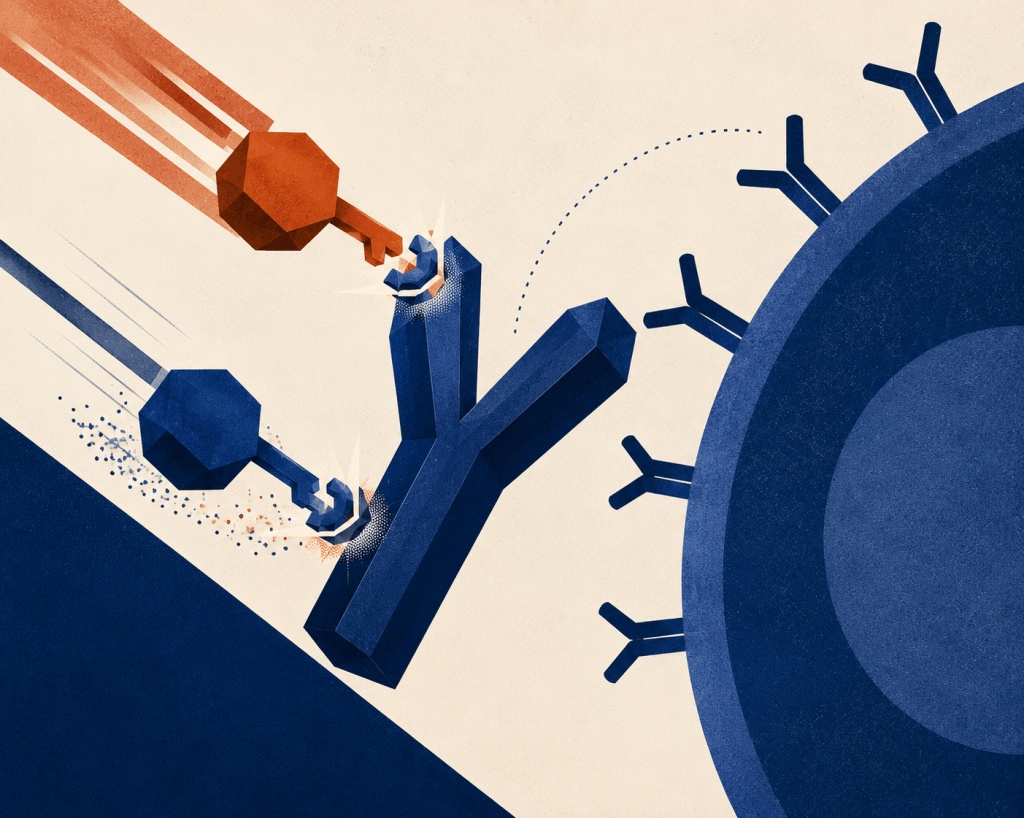
Here is the step-by-step version of what happens after an injection of Trutakna:
- Injection and absorption. The medicine is injected under the skin and gradually absorbed into the bloodstream over the following hours and days.
- Binding to BAFF and APRIL. Once circulating, Trutakna’s TACI-derived portion binds directly to free-floating BAFF and APRIL molecules in the blood.
- Blocking the signal. By binding to these two cytokines, Trutakna prevents them from reaching the real TACI receptors on the surface of B cells.
- Calming B-cell activity. Without that stimulating signal, B cells are not pushed as strongly to survive, multiply, and mature into plasma cells.
- Lower antibody production. Because there are fewer active, mature plasma cells, the body produces less of the defective Gd-IgA1 antibody responsible for driving kidney damage.
- Less kidney strain. With fewer harmful immune complexes forming and depositing in the kidney’s glomeruli, inflammation and injury are expected to ease over time, which shows up clinically as reduced proteinuria.
This is why Trutakna is described as a dual BAFF and APRIL inhibitor. Other approved IgA nephropathy drugs target only one part of the disease process, such as blood vessel pressure inside the kidney or a single upstream cytokine. Trutakna is currently the only approved therapy in the United States designed to block both BAFF and APRIL at the same time.
How Long Does It Take to Show Visible Positive Results?
In the clinical trial that supported approval, called ORIGIN 3, doctors measured how much protein was showing up in patients’ urine at regular intervals after starting treatment. By week 36, about nine months into treatment, patients taking Trutakna showed an average 46 percent reduction in proteinuria from where they started, and a 42 percent reduction compared with patients taking a placebo (an inactive injection used for comparison).
This does not mean every patient will see the same speed of improvement. Proteinuria reduction is a lab-measured marker, not something a patient can feel day to day. Most patients will need regular urine and blood testing over several months to know whether the medicine is working for them specifically. It is also worth noting that Trutakna’s approval is currently based on this proteinuria reduction as a surrogate marker. Whether the drug also slows the long-term decline of actual kidney function is still being confirmed in the ongoing portion of the ORIGIN 3 trial, with that data expected later in 2026.
Contraindications and Safety Considerations of Trutakna
Because Trutakna works by calming down part of the immune system, its most important safety concern is an increased risk of infection. In the clinical trial safety population of 428 patients, infections occurred in about 32 percent of people taking Trutakna compared with 28 percent of those on placebo, a modest but real increase. Injection-site reactions were also notably more common with the active drug, seen in about 30 percent of patients compared with roughly 5 percent on placebo, though these reactions tended to be mild.
Because of how it affects the immune system, doctors generally will want to screen patients for active infections before starting Trutakna and monitor them throughout treatment. Live vaccines are typically avoided while a patient is on immune-suppressing therapies like this one, since a weakened immune response could make it harder for the body to safely handle a live vaccine.
As with any prescription medicine, this article is not a substitute for a full conversation with a nephrologist or prescribing physician, who can review a patient’s complete medical history, current infections, other medications, and overall health before starting treatment. Patients should always read the full prescribing information and discuss any concerns directly with their healthcare team.
Relevant Sources
- U.S. Food and Drug Administration, drug approval announcement for Trutakna (atacicept-vymj), July 2026
- Vera Therapeutics, Inc., official press release on FDA accelerated approval of TRUTAKNA
- Renal and Urology News, coverage of the Trutakna approval and ORIGIN 3 trial data
- HCPLive, clinical coverage of atacicept and comparisons with other IgA nephropathy therapies
- BioSpace, industry analysis of Vera Therapeutics’ market position
- Mayo Clinic, patient education materials on IgA nephropathy (Berger disease)
- Cleveland Clinic, patient education materials on IgA nephropathy
- NephCure, patient advocacy coverage of the FDA accelerated approval pathway
The Scientists and Organization Behind the Development
Trutakna was developed by Vera Therapeutics, Inc., a biotechnology company built specifically around treating autoimmune diseases that affect the kidney. The company was founded in 2016 by Dr. Marshall Fordyce, a physician who spent years in senior clinical research roles at Gilead Sciences before starting Vera.
The clinical leadership behind the drug’s development includes Dr. Robert Brenner, Vera’s Chief Medical Officer, who brings more than two decades of nephrology experience, and William Turner, the company’s Chief Development Officer, who has led drug development programs across multiple therapeutic areas for roughly three decades. Sean Grant serves as Chief Financial Officer, overseeing the company’s finances and capital raising.

Beyond the internal team, the ORIGIN clinical trial program relied on a global network of nephrologists and academic researchers. Dr. Richard Lafayette, a professor of medicine and director of the Glomerular Disease Center at Stanford University Medical Center, served as a principal investigator on the ORIGIN program and has publicly spoken about the significance of a therapy that blocks both BAFF and APRIL at once for patients who previously had limited options.
Timeline of FDA Approval of Trutakna
- 2016: Vera Therapeutics is founded by Dr. Marshall Fordyce.
- Ongoing since trial initiation: The Phase 3 ORIGIN 3 trial begins, a global, multicenter, randomized, double-blind, placebo-controlled study enrolling 431 adult patients with biopsy-confirmed IgA nephropathy, registered under the identifier NCT04716231.
- Interim analysis milestone: A prespecified interim analysis of the first 203 patients to reach the nine-month (week 36) mark shows a statistically significant, clinically meaningful reduction in proteinuria with atacicept compared with placebo.
- July 7, 2026: The FDA grants accelerated approval to Trutakna (atacicept-vymj) to reduce proteinuria in adults with primary IgA nephropathy at risk of disease progression, based on the ORIGIN 3 interim data.
- Third quarter of 2026 (expected): The confirmatory portion of ORIGIN 3, which continues in a blinded, placebo-controlled manner, is expected to report on kidney function (eGFR) outcomes over two years.
- Fourth quarter of 2026 (expected): Vera Therapeutics plans to submit a supplemental Biologics License Application using the confirmatory kidney function data, which the FDA will use to decide whether to convert Trutakna’s accelerated approval into full, traditional approval.
Trutakna (Atacicept) Dosage by Patient Complication Level
| Patient Situation | Dose | Adjustment Needed? |
|---|---|---|
| Standard adult with primary IgAN, at risk of progression | 150 mg SC once weekly | Standard dose |
| Mild renal impairment | 150 mg SC once weekly | No adjustment |
| Moderate renal impairment | 150 mg SC once weekly | No adjustment |
| Severe renal impairment (eGFR as low as 22 mL/min) | 150 mg SC once weekly | No adjustment — no meaningful difference in drug levels observed down to this threshold |
| Hepatic (liver) impairment | Not formally evaluated | Use with caution; discuss with prescriber |
| Active infection at time of dosing | Not recommended | Treatment should be delayed until infection resolves |
| Pediatric patients | Not established | Safety and efficacy not studied in children |
| Prior serious allergic reaction to atacicept-vymj or its ingredients | Contraindicated | Do not use |
A few honest caveats worth flagging:
- Trutakna doesn’t have “complication-level” dosing tiers the way some drugs do (like a low-dose/high-dose ladder) — the FDA label sets one fixed dose for essentially everyone, and that’s actually one of its selling points: no titration, no renal-based math.
- The real variables that change management aren’t dose amount, they’re whether to give the drug at all (active infection, hypersensitivity, unestablished pediatric/hepatic-impairment use).
- Renal impairment specifically was tested down to an eGFR of about 22 mL/min with no dosage change needed, which is worth noting for patients already worried about kidney function affecting their medicine dose.
A Table of Other FDA-Approved Peptide and Protein Medications for Kidney Complications
Trutakna joins a small but rapidly growing group of biologic therapies approved specifically for IgA nephropathy over the past several years. Here is how the current landscape compares:
| Drug (Brand Name) | Type of Molecule | Target / Mechanism | FDA Status |
|---|---|---|---|
| Budesonide (Tarpeyo / Kinpeygo) | Targeted-release corticosteroid | Reduces local immune activity in the gut where abnormal IgA is thought to originate | Full approval, December 2023 (first accelerated approval December 2021) |
| Sparsentan (Filspari) | Small-molecule dual receptor antagonist | Blocks endothelin type A and angiotensin II receptors to ease pressure and injury inside the kidney | Full approval, September 2024 (first accelerated approval February 2023) |
| Iptacopan (Fabhalta) | Small-molecule complement inhibitor | Blocks Factor B in the complement immune pathway | Accelerated approval, August 2024 |
| Atrasentan (Vanrafia) | Small-molecule endothelin receptor antagonist | Selectively blocks the endothelin type A receptor to reduce kidney injury | Accelerated approval, April 2025 |
| Sibeprenlimab (Voyxact) | Monoclonal antibody | Targets and neutralizes APRIL only | Accelerated approval, November 2025 |
| Atacicept-vymj (Trutakna) | Recombinant TACI-Fc fusion protein | Blocks both BAFF and APRIL together | Accelerated approval, July 2026 |
A few other candidates, including Vertex Pharmaceuticals’ povetacicept, are still in clinical development and may add further options to this list in the coming years. Because several of these therapies received accelerated rather than full approval, ongoing confirmatory trials will determine which drugs ultimately prove they slow long-term kidney function decline, not just reduce proteinuria in the short term.
Overview of Vera Therapeutics, Inc. The Producer of Trutakna
Vera Therapeutics is a biotechnology company based in Brisbane, California, in the United States. It was founded in 2016 by Dr. Marshall Fordyce, who continues to serve as the company’s Founder, President, and Chief Executive Officer.
Focus and products: The company describes its mission as pursuing scientific truth to transform care for autoimmune disease, beginning with the kidney. Its lead and flagship product is Trutakna (atacicept-vymj), the dual BAFF and APRIL inhibitor now approved for IgA nephropathy. Before its recent FDA approval, atacicept was studied for years across the company’s ORIGIN clinical trial program.
Leadership team: Alongside CEO Dr. Marshall Fordyce, the company’s senior leadership includes Dr. Robert Brenner as Chief Medical Officer, William Turner as Chief Development Officer, Sean Grant as Chief Financial Officer, Lauren Frenz as Chief Business Officer, and Dr. Neeraj Pakala as Senior Vice President and Head of Product Development and Manufacturing.
Public listing and valuation: Vera Therapeutics trades on the Nasdaq stock exchange under the ticker symbol VERA. As of mid-July 2026, the company’s market capitalization sits in the range of roughly three billion dollars, placing it among mid-sized publicly traded biotechnology companies. The company has raised significant funding over multiple rounds since its founding to support its clinical trial programs, and it employs several hundred people across research, development, and commercial operations.
Country of origin: Vera Therapeutics is a United States-based company, headquartered in Brisbane, California, in the San Francisco Bay Area, a region known for concentrating many biotechnology companies.
Final Thoughts
IgA nephropathy has long been a frustrating disease for patients and doctors alike. It creeps in quietly, offers few early warning signs, and, until recently, left clinicians with a fairly limited toolbox for slowing its progress. The approval of Trutakna adds a genuinely new kind of tool to that toolbox: a therapy that reaches further upstream in the disease process than most previous options, targeting two immune signals, BAFF and APRIL, at the same time.
It is important to stay realistic about where things stand. Trutakna’s approval is currently based on proteinuria reduction, a surrogate marker, not yet on confirmed long-term kidney function preservation. That confirmatory data is expected later in 2026, and it will shape whether Trutakna keeps its current approval status or moves toward full approval. Like any immune-modulating medicine, it also carries real risks, particularly around infection, that patients and doctors will need to manage carefully together.
Still, for a disease that affects millions of people globally and can quietly progress toward kidney failure over the course of a lifetime, having a new, mechanistically distinct option on the market is meaningful progress. As more data comes in from the ongoing ORIGIN 3 trial, patients and their nephrologists will have a clearer picture of exactly where Trutakna fits among the growing lineup of approved IgA nephropathy therapies.
If you or someone you love has been diagnosed with IgA nephropathy, the most useful next step is a direct conversation with a nephrologist about whether this new option, or one of the other recently approved therapies, might be right for your specific situation.
Frequently Asked Questions About IgA nephropathy
Which treatment is best for IgA nephropathy?
There is no single “best” treatment for everyone, because IgA nephropathy varies a lot from person to person. Doctors typically start with supportive care, such as blood pressure medicines called ACE inhibitors or ARBs, which also help reduce protein loss in the urine. For patients at higher risk of disease progression, newer targeted therapies such as budesonide (Tarpeyo), sparsentan (Filspari), iptacopan (Fabhalta), atrasentan (Vanrafia), sibeprenlimab (Voyxact), or atacicept (Trutakna) may be added, depending on a patient’s specific risk factors, kidney biopsy findings, and how their disease has behaved over time. The right choice depends on a detailed discussion between a patient and their nephrologist.
How do you diagnose IgA nephropathy?
Diagnosis usually starts with a urine test that shows blood and protein, sometimes found by accident during a routine checkup. Blood tests can check overall kidney function. The only way to confirm the diagnosis for certain is a kidney biopsy, where a small tissue sample is examined under a microscope to look for IgA deposits inside the glomeruli.
Can I live a normal life with IgA nephropathy?
Many people with IgA nephropathy do live full, normal lives, especially when the disease is caught early and managed with regular monitoring and appropriate treatment. The disease progresses slowly for most people, and some never develop serious kidney problems at all. Others need more active treatment to protect their kidney function over time. Regular follow-up with a nephrologist, blood pressure control, and a healthy lifestyle all play a meaningful role in long-term outcomes.
Can stress cause IgA nephropathy?
There is no strong scientific evidence that stress directly causes IgA nephropathy. The disease is believed to arise from a combination of genetic risk and immune system factors, sometimes triggered or worsened by infections. That said, ongoing stress is generally not good for overall health and can indirectly affect blood pressure and immune function, so managing stress is still a reasonable part of overall kidney health, even if it is not considered a direct cause of the disease.
Is protein bad for IgA nephropathy?
Very high protein intake is generally not recommended for people with reduced kidney function, since damaged kidneys have a harder time processing protein waste products. However, this does not mean all dietary protein must be avoided. Most nephrologists recommend a moderate, individualized protein intake based on a patient’s specific kidney function and lab results, rather than a strict blanket rule. This is a conversation best had directly with a nephrologist or renal dietitian, since needs vary by patient and stage of disease.
Are eggs bad for IgA nephropathy?
Eggs are not inherently bad for people with IgA nephropathy, but they are a concentrated source of protein, and total protein intake may need to be managed depending on a person’s current kidney function. Eggs also contain phosphorus, which some patients with more advanced kidney disease may need to limit. As with general protein intake, the right approach depends on individual lab results and should be discussed with a nephrologist or renal dietitian rather than following a general rule.
Is atacicept FDA approved?
Yes. Atacicept, marketed under the brand name Trutakna (atacicept-vymj), received FDA accelerated approval on July 7, 2026, to reduce proteinuria in adults with primary IgA nephropathy who are at risk of disease progression. Because it was granted accelerated rather than full approval, continued approval will depend on confirmatory data from the ongoing ORIGIN 3 trial, expected later in 2026.
What is the TACI receptor?
TACI stands for transmembrane activator and calcium-modulator and cyclophilin ligand interactor. It is a natural receptor found on the surface of B cells, a type of white blood cell involved in antibody production. TACI normally detects two cytokines, BAFF and APRIL, and helps regulate how long B cells survive and how actively they multiply. Trutakna is built using a soluble, free-floating version of this same receptor, fused to part of an antibody, allowing it to intercept BAFF and APRIL in the bloodstream before they can reach real TACI receptors on B cells.
